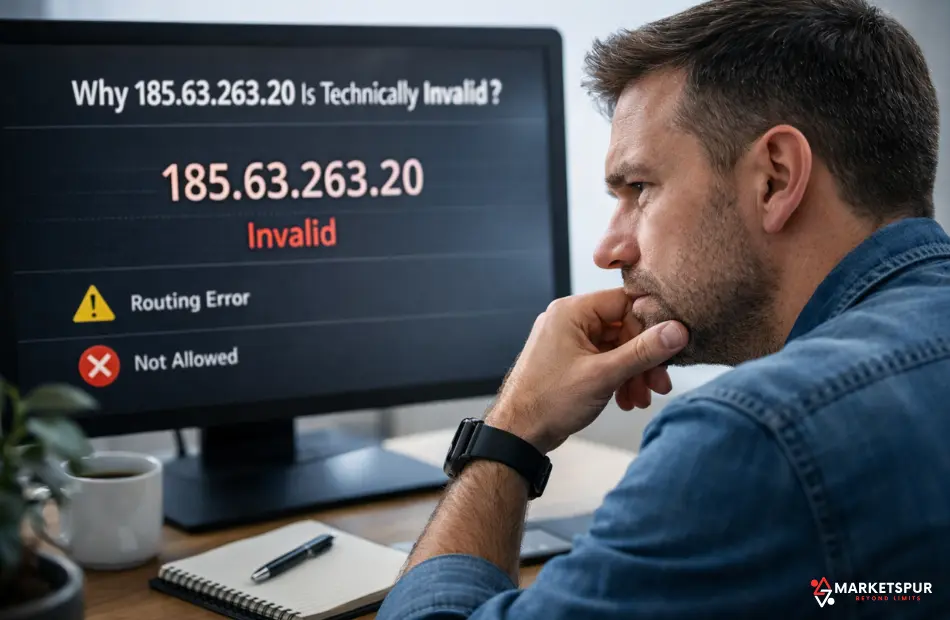
Have you ever looked at a string of numbers like 185.63.263.20 and wondered what it really means? At first glance, it looks confusing. It feels cold and technical. Yet behind this simple line of numbers, there is a story about the internet, connections, security, and how data travels across the world. So why should anyone care about 185.63.263.20? And what role can such an address play in our daily online lives?
This article explores 185.63.263.20 in a friendly and easy way. We will break things down step by step. We will explain what an IP address is. We will also look at how addresses like this are used. Along the way, you will learn why these numbers matter more than most people think.
Understanding the Basics of an IP Address
Before we focus on 185.63.263.20, we need to understand the idea of an IP address. IP stands for Internet Protocol. Think of it as a digital address. Just like your home address helps mail reach you, an IP address helps data reach the right device.
Every device that connects to the internet needs an IP address. This includes phones, laptops, servers, and smart devices. Without IP addresses, the internet would not work. Data would have nowhere to go. Because of this, IP addresses act as the backbone of online communication.
An IP address is usually written as four sets of numbers. Each set is separated by a dot. This format is known as IPv4. The address 185.63.263.20 follows this structure. Each number plays a role in identifying a network and a device within that network.
Breaking Down the Structure of 185.63.263.20
At first sight, 185.63.263.20 may look random. In reality, it follows clear rules. Each part of the address has meaning. The first numbers often point to a larger network. The later numbers help identify a specific device or server.
The number 185 belongs to a range assigned to certain regions or organizations. The next number, 63, narrows it down further. The remaining numbers refine the location within that network. Together, they create a unique identifier.
However, it is important to understand that IP addresses do not always point to a single person. In many cases, they represent servers, companies, or shared services. So 185.63.263.20 could be linked to hosting, cloud services, or online tools.
Why IP Addresses Like 185.63.263.20 Exist
The internet is massive. Millions of devices connect every second. To manage this scale, a clear system is required. IP addresses provide that system. They ensure that information reaches the right destination.
Without addresses like 185.63.263.20, your browser would not know where to send requests. Emails would fail. Videos would not load. Everything online depends on this hidden system working smoothly.
Because of this, IP addresses are not just technical details. They are essential tools. They allow the internet to stay organized and efficient.
Public IP Addresses and Their Purpose
185.63.263.20 is an example of a public IP address. Public IPs are visible on the internet. They allow servers to communicate with users worldwide. When you visit a website, your device connects to a public IP.
Public IP addresses are assigned by internet authorities. These groups manage ranges and ensure there are no conflicts. This system keeps the internet stable and fair.
In contrast, private IP addresses are used inside local networks. They are not visible to the public internet. Understanding this difference helps explain why some IPs are more exposed than others.
How 185.63.263.20 Might Be Used Online
An IP address like 185.63.263.20 can serve many roles. It could host a website. It might support an online service. It could even be part of a larger server cluster.
Often, companies rent IP addresses from hosting providers. These providers manage servers and networks. As a result, one IP address can support multiple websites or tools through virtual hosting.
Because of this, searching an IP address does not always reveal a single owner. Instead, it often points to a service provider or data center.
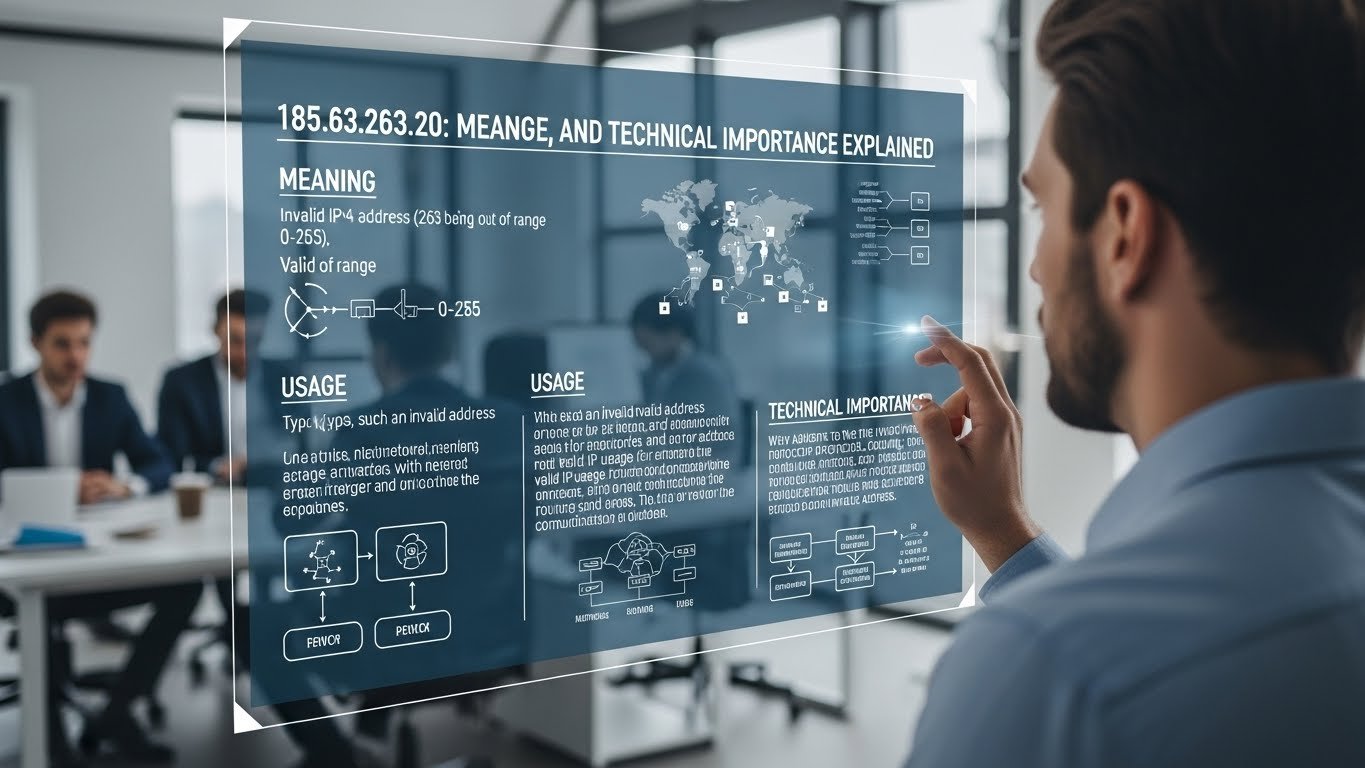
The Role of Hosting and Data Centers
Many IP addresses belong to data centers. These are physical locations filled with servers. They store websites, apps, and data. When you access a site, your request travels to a data center.
If 185.63.263.20 is linked to a data center, it means it helps deliver content. It might handle web traffic, store files, or run applications. This work happens behind the scenes, yet it powers the modern web.
Data centers rely on stable IP addresses. These addresses ensure constant availability. They also support security and performance.
IP Addresses and Website Performance
Performance matters online. Users expect fast loading times. IP addresses play a role in this experience. The location of a server can affect speed.
If 185.63.263.20 points to a server far away, loading might take longer. If it is closer, things feel faster. This is why companies choose server locations carefully.
Content delivery networks help solve this problem. They spread data across many IP addresses worldwide. This approach improves speed and reliability.
Security and IP Addresses Like 185.63.263.20
Security is another important topic. IP addresses can be monitored. They can be blocked or allowed. Firewalls use IPs to control access.
If an IP address shows harmful behavior, it may be flagged. This can include spam, hacking attempts, or abuse. As a result, IP reputation becomes important.
However, not every flagged IP is dangerous. Shared hosting can cause innocent sites to be affected. This is why context matters when judging an IP address.
Can an IP Address Identify a Person?
Many people worry about privacy. They ask if an IP address like 185.63.263.20 can identify them. The answer is not simple.
An IP address can reveal general location. It might show a country or city. It usually does not show a name or exact address. Internet providers keep that information private.
In most cases, IP addresses identify networks rather than individuals. This is especially true for servers and public services.
Static vs Dynamic IP Addresses Explained
Some IP addresses stay the same. These are called static IPs. Others change over time. These are dynamic IPs.
Servers often use static IPs. This allows users to find them easily. A service linked to 185.63.263.20 might rely on this stability.
Home users usually have dynamic IPs. Their address can change when they reconnect. This helps manage limited IP resources.
Why People Search for IP Addresses Online
People search IP addresses for many reasons. Sometimes they notice unusual traffic. Sometimes they see a strange address in logs. Curiosity also plays a role.
Looking up 185.63.263.20 might be about security. It might be about troubleshooting. It could even be for learning purposes.
Understanding what an IP address represents helps reduce fear. It also builds confidence when dealing with technical issues.
IP Lookup Tools and What They Show
IP lookup tools are widely available. They provide basic details. These can include location, provider, and network type.
When checking 185.63.263.20, such tools might show a country or hosting company. They do not reveal private data. Instead, they give a general overview.
These tools are useful. Yet they should be used carefully. Information can change over time.
The Limits of IP-Based Information
It is important to know the limits. IP data is not always accurate. Locations can be approximate. Providers can reassign addresses.
Because of this, assumptions based on IPs can be misleading. A server might appear in one country while serving users worldwide.
Understanding these limits prevents confusion. It also encourages responsible use of data.
How Businesses Depend on IP Addresses
Businesses rely on IP addresses every day. Online shops use them to host sites. Apps use them to connect users.
An address like 185.63.263.20 might support many services. It could handle payments, content, or communication.
This dependence shows how critical IP management is. Errors can cause downtime. Good planning ensures smooth operations.
The Evolution of IP Addresses Over Time
The internet has grown rapidly. Early designers did not expect this scale. As a result, IPv4 addresses became limited.
New systems like IPv6 were created. They offer many more addresses. Still, IPv4 addresses like 185.63.263.20 remain common.
This mix shows how the internet adapts. Old systems continue while new ones emerge.
Legal and Ethical Aspects of IP Use
Using IP addresses comes with responsibility. Tracking users without consent raises concerns. Laws exist to protect privacy.
Businesses must handle IP data carefully. They must respect rules and user rights. Ethical use builds trust.
Understanding these aspects helps users stay informed. It also promotes safer online behavior.
Common Misunderstandings About IP Addresses
Many myths surround IP addresses. Some think they reveal everything. Others think they mean nothing.
The truth lies in between. IP addresses are powerful tools. They are also limited.
Knowing what they can and cannot do helps clear confusion. It empowers users to make better decisions.
How Developers Work With IP Addresses
Developers deal with IP addresses often. They configure servers. They set rules. They monitor traffic.
An address like 185.63.263.20 might appear in server logs. Developers use this data to improve systems.
This behind the scenes work keeps services reliable. It also improves user experience.
IP Addresses in a Connected World
The world is becoming more connected. Smart homes, cars, and devices all need IP addresses.
This growth increases demand. It also increases complexity. Managing addresses becomes more important.
Addresses like 185.63.263.20 are part of this global network. They help connect ideas and people.
What to Do If You Encounter a Strange IP Address
Seeing an unfamiliar IP can feel worrying. The best step is to stay calm. Look it up using trusted tools.
Check context. Was it a website visit? A server log? An email header? Context matters.
Avoid jumping to conclusions. Most IP addresses are harmless. Understanding reduces stress.
The Human Side of Internet Numbers
Behind every IP address are humans. Engineers design systems. Users browse content. Businesses grow.
185.63.263.20 is not just numbers. It represents effort, infrastructure, and connection.
Seeing the human side helps demystify technology. It makes the internet feel more approachable.
Why Learning About IP Addresses Is Useful
Learning about IP addresses builds digital literacy. It helps users navigate the web safely.
It also sparks curiosity. Technology becomes less intimidating. Knowledge replaces fear.
Even basic understanding makes a difference. It empowers users in a digital world.
Final Thoughts on 185.63.263.20
So what does 185.63.263.20 really mean? It is a small yet important piece of the internet puzzle. It shows how devices connect. It highlights the systems that keep data flowing.
While it may seem technical, it connects to everyday life. Every click relies on addresses like this.